Top Roofer Services for Emergency Roof Repair
Selecting the Ideal Roofing Contractor: Essential Questions to Inquire Before You Engage
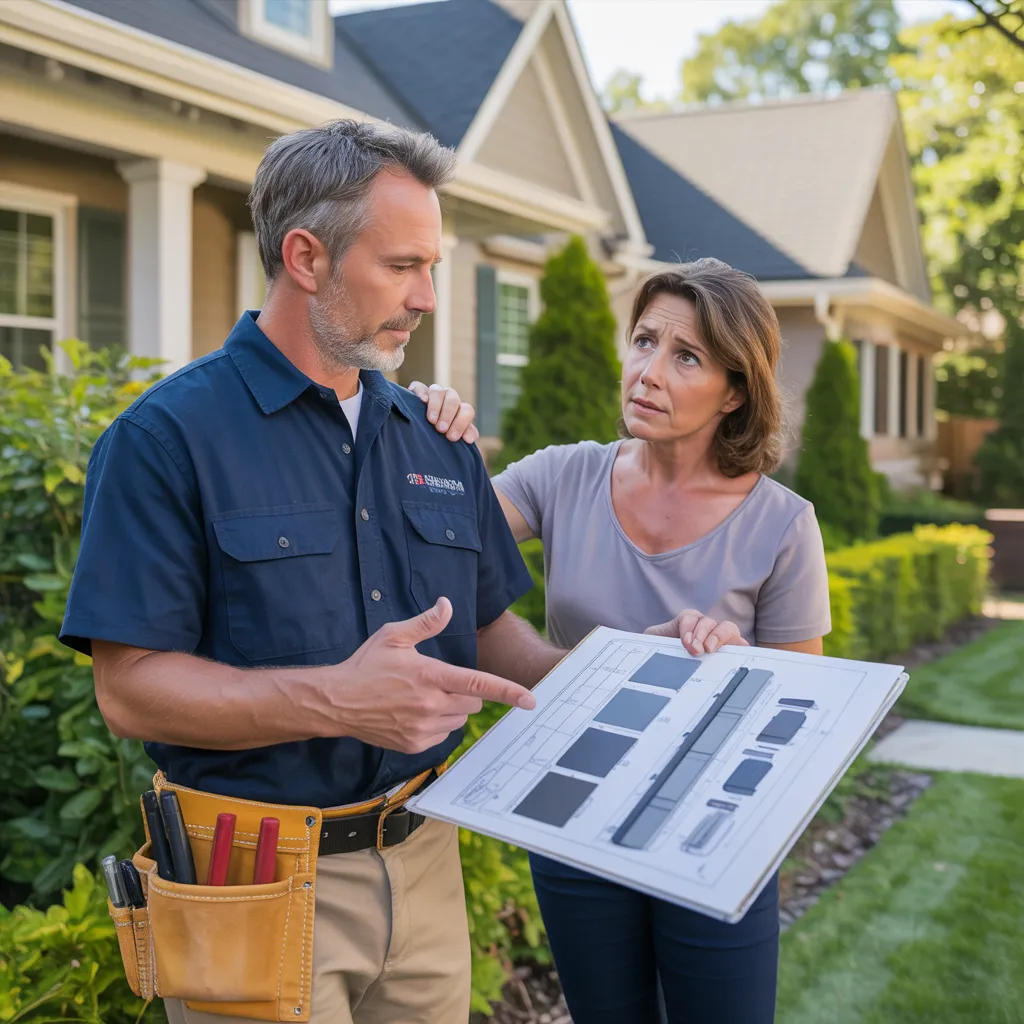
Selecting the appropriate roofing contractor is a critical decision for homeowners. Many factors affect the quality of work and overall contentment. Credentials, experience, and warranties are just a few of the vital aspects to consider. By asking the right questions, homeowners can establish expectations and guarantee a seamless process. However, grasping these elements is only the beginning. What particular questions should be prioritized to prevent future complications?
What Experience Make an Great Roofing Professional?
What crucial credentials should one evaluate when selecting a roofing contractor? A reputable contractor should have proper certifications and coverage, confirming conformity with local regulations and safeguard against claims. expertise in the industry is vital; seasoned contractors are more prone to address unexpected challenges effectively. Additionally, a strong portfolio showcasing previous work provides perspective into their workmanship and style.
Qualifications from manufacturers can show proficiency in specific roofing systems, while involvement in professional groups often reflects dedication to standards and continuous education. Another key aspect is references; favorable reviews from happy customers can provide confidence of a contractor's dependability and professionalism. Finally, a transparent, detailed written proposal detailing scope, components, and timelines is essential for openness and making educated choices. By evaluating these qualifications, homeowners can pick a roofing contractor who fulfills their needs and guarantees a productive project.
What strategies Can You Use to Assess a Roofing Contractor's Professional Standing?
What methods can homeowners use to guarantee that a roofing contractor has a strong reputation? One effective method is to seek out online reviews and reviews. Sites like Google, Yelp, and Angie's List typically provide insights into past clients' experiences. Homeowners must also review the contractor's evaluations with the Better Business Bureau (BBB) to identify any complaints or pending concerns.
In addition, obtaining references directly from the contractor can deliver a clearer impression of their dependability and standard of work. Engaging with former customers allows homeowners to gauge satisfaction levels and the contractor's willingness to address grievances.
In addition, it's beneficial to confirm any qualifications and professional certifications, as these often suggest a devotion to industry best practices. Finally, liaising with local building authorities can impart particulars about the contractor's licensing and insurance status, further establishing their credibility in the community.
Important Roof Warranty Categories You Need Know
Grasping the different types of roofing warranties is vital for homeowners thinking about a roof replacement or installation. Primarily, there are two categories of warranties: manufacturer warranties and workmanship warranties. Manufacturer warranties cover defects in materials, usually lasting between 20 to 50 years, depending on the roofing material. These warranties ensure that if the roofing material fails prematurely, the manufacturer will replace it.
On the other hand, labor guarantees are offered through the roof installer and protect the quality of installation. These warranties can span between one to ten years. It's crucial for property owners to clarify the terms and conditions of both kinds, as they may have limitations or exclusions. Furthermore, understanding whether the warranty is transferable can significantly affect property value in the future. Consequently, property owners should carefully examine and talk through coverage options with their potential roofing contractor to ensure extensive coverage.
Assessing Roofing Contractor Price Quotes?
When evaluating roofing contractor pricing options, homeowners often wonder which elements influence the overall cost. Key elements consist of the type of roofing materials selected, as high-end options like slate or metal typically result in higher expenses compared to asphalt shingles. Labor costs also have a important part; experienced contractors may ask more but offer better workmanship. Additionally, the complexity of the roof structure impacts pricing; steep or multi-layered roofs require more labor and safety precautions. Homeowners should also consider regional cost differences, as market demand and local regulations can affect costs. It is advisable to obtain multiple estimates to contrast pricing structures and guarantee clarity. Finally, examining the contractor's standing and past projects can give insight into whether the costs reflects quality service and products. Understanding these factors can assist homeowners make informed decisions that match their budget and roofing needs.
Safety Standards Which Roofing Contractors Must Follow
When picking a roof contractor, it is vital to account for their commitment to safety standards. Complying with OSHA regulations, the use of personal protective equipment, and the establishment of safety training programs are vital factors that ensure worker safety on the job site. Understanding these requirements can help homeowners choose wisely about their roofing contractors.
OSHA Regulatory Obligations
Roofing contractors must follow specific OSHA compliance requirements to maintain safety on job sites. These regulations are created to minimize hazards associated with roofing work, which often involves high places and heavy materials. Contractors are required to implement fall protection systems, including railings, safety nets, or personal fall arrest systems when necessary. Additionally, they must confirm that all employees are trained in recognizing and avoiding possible safety risks. Proper scaffolding and ladder use, as well as safe handling of materials, are also key components of OSHA compliance. Regular inspections and maintenance of equipment are mandatory to copyright safety standards. By following these guidelines, roofing contractors not only protect their workers but also boost overall project efficiency and integrity.
Individual Safeguarding Equipment
Correct application of PPE is essential for roofing contractors to ensure safety on the job site. Contractors must ensure that their teams are outfitted with hard hats, safety glasses, and gloves to protect against falling debris and sharp objects. Additionally, harnesses and fall protection systems are important when working at heights, decreasing the risk of serious injury. Steel-toed boots provide vital foot protection, while high-visibility clothing helps improve worker visibility, especially in busy areas. It is also critical that contractors regularly check and care for this equipment to confirm its effectiveness. By complying with PPE standards, roofing contractors can greatly Premier Roofing & Exteriors reduce workplace hazards and create a safer environment for their crew.
Safety Training Programs
Effective risk prevention training programs are key in assuring that roofing contractors follow safety standards on job locations. These programs equip workers with critical knowledge about hazards, proper tool utilization, and emergency procedures. A detailed training regimen needs to encompass fall protection, ladder safety, and material handling, plus other areas. Regular refresher courses are also crucial, as they help reinforce safe practices and adapt to evolving industry standards. Contractors need to supply documentation for their training modules, including certificates and persistent education activities. Clients need to investigate the occurrence and comprehensiveness of these training classes, because observing safety protocols directly impacts the safety of workers and project timelines. Highlighting safety training indicates a contractor’s commitment to professionalism and excellence in work.
Maintaining Transparent Conversation With Your Roofing Contractor
Forming effective communication with a roofing contractor is essential for a successful project. Clarity in communication allows for setting expectations and minimizes misunderstandings that can cause expensive delays or errors. Homeowners should begin by discussing timelines for the project, budget constraints, and particular materials. It is important for the contractor to provide thorough proposals and updates throughout the project.
Ongoing communications can validate that the project maintains momentum and that any obstacles are attended to promptly. Homeowners should feel assured raising questions and seeking clarification on technical language or operational steps.
In addition, setting up preferred communication approaches—whether via phone, email, or in-person meetings—can strengthen collaboration. Putting conversations and agreements in writing can also serve as a reference point. At the end of the day, open lines of communication build a positive working relationship, ensuring that both parties are aligned and satisfied with the outcome of the roofing project.
Frequently Requested FAQs
What Varieties of Roofing Options Would You Recommend and What's the Reason?
The contractor recommended asphalt shingles for budget-friendly pricing and resilience, metal for longevity and energy efficiency, and slate for elegant appearance and lasting quality. Each material offers separate strengths, catering to different homeowner needs and preferences.
How Will You Address Unexpected Issues During the Project?
The contractor stressed active dialogue, detailing unexpected issues transparently with clients. They presented potential solutions and modifications to timelines or budgets, ensuring clients felt knowledgeable and confident throughout the project's progression despite unforeseen challenges.
Would you be able to deliver a elaborate roadmap for the Roofing Project?
A reputable builder will supply a in-depth roadmap outlining each construction phase, containing start and conclusion dates. This schedule confirms transparency and supports homeowners handle expectations while facilitating communication throughout the roofing job.
Do You Have Expertise With My Specific Type of Roof?
The contractor attested to substantial experience with assorted roofing materials, incorporating the specific material in question. Their portfolio displayed many completed projects, demonstrating skill and a commitment to quality, thus generating confidence in potential clients.
What Processes Do You Execute for Clean-Up Upon Work Completion?
The contractor set forth a meticulous cleanup framework, covering continuous debris collection, terminal inspections for remaining debris, and proper disposal of waste. They accentuated preserving a clean work area to confirm safety and client satisfaction for the duration of the project.
To wrap up, we have gone over the essential topics covered in this document.
In closing, opting for the correct roof expert calls for deliberate evaluation and comprehensive questioning. By inspecting qualifications, establishing standing, understanding protection plans, reviewing financial alternatives, maintaining protective measures, and strengthening effective dialogue, homeowners can develop knowledgeable selections. Performing these steps not only shields the excellence of the roof work but also strengthens confidence and assurance throughout the endeavor. Ultimately, a well-selected contractor can produce a rewarding and gratifying roofing experience.